If you are a man over 40 who still lifts weights, your back is one of the most important muscle groups you can train.
Not because you need to look like a bodybuilder. Not because you need to spend half your life in the gym. But because a strong back supports almost everything else you want from your training: better posture, better pulling strength, better shoulder stability, and a body that still looks and performs like it has some horsepower left in it.
One of the best exercises for that job is the bent-over row.
The bent-over row is a classic weightlifting movement, and it fits beautifully into the Power Factor Workout way of thinking. It is simple. It is measurable. It works a large amount of muscle at once. And when it is done intelligently, it can help older men keep building muscle while avoiding unnecessary joint pain and over-training.
Why Bent-Over Rows Matter After 40
As men age, one of the first things to go is often the “backside” of the body. The muscles you do not see in the mirror tend to get neglected. The chest, arms, and shoulders get attention, while the lats, rhomboids, traps, rear delts, and spinal erectors are treated like an afterthought.
That is a mistake.
The bent-over row strengthens many of the muscles that hold your upper body together. Your lats help give your torso width and pulling power. Your rhomboids and middle traps help pull your shoulder blades back. Your rear delts help balance all the pressing work most men do. Your spinal erectors help maintain position and stability during the movement.
In practical terms, that means stronger rows can contribute to better posture, more balanced shoulders, and a more powerful-looking upper body. For men over 40 lifting weights, that is not cosmetic fluff. It is part of staying capable.
The Power Factor Way to Think About Rows
Most gym advice focuses on doing more: more sets, more exercises, more days per week, more volume, more fatigue.
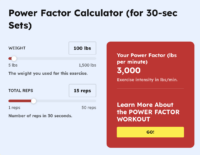
The Power Factor Workout takes a different approach. It asks a better question: how much productive intensity are you actually generating?
Instead of wasting energy on endless sets, you want to choose movements that allow you to train hard, measure your output, and recover properly. Bent-over rows are useful because they allow a man to handle meaningful resistance through a strong, controlled range of motion.
The goal is not to turn the row into a sloppy heave. The goal is to use a range where you can train the target muscles hard while keeping the movement under control.
How to Perform Bent-Over Rows Safely and Productively
- Set your position first. Hinge at the hips, keep your back flat, soften your knees, and brace your midsection.
- Use a strong pulling path. Pull the bar or dumbbells toward your lower ribs or upper abdomen, not straight up toward your chest.
- Squeeze at the top. Think about pulling your elbows back and bringing your shoulder blades together.
- Lower under control. Work in the top quarter of your range. Do not simply drop the weight. Lower it deliberately so the muscles are always working.
- Stop at 30 seconds or when form breaks. If your lower back starts rounding or your body starts jerking, the set is over. If you have time on the 30-second clock get a few reps in after a brief rest.
Avoiding Joint Pain and Over-Training
For men over 40, progress usually does not come from punishment. It comes from precision.
If your elbows, shoulders, or lower back complain during rows, do not ignore the signal. Adjust the weight. Adjust the grip. Try dumbbells instead of a barbell. Use a chest-supported row if your lower back needs relief.
The Power Factor mindset is not about proving how much discomfort you can tolerate. It is about finding the most productive way to stimulate muscle growth while avoiding needless wear and tear.
That also means recovery matters. If you train your back hard today, you do not need to train it again tomorrow. Your muscles do not grow because you keep attacking them. They grow when you give them a strong reason to adapt, then allow enough time for recovery.
Practical Tips for Better Results
- Keep the movement strict enough that your back muscles do the work.
- Use straps if your grip fails before your back does.
- Track your weight, reps, and time so you know whether you are improving.
- Choose the range of motion that lets you train hard without any joint irritation.
Stronger Back, Stronger Body
The bent-over row is not a flashy exercise, but it is one of the most valuable movements a man over 40 can keep in his program. It builds the back, supports the shoulders, reinforces posture, and gives you a measurable way to keep improving.
If your goal is building muscle after 40 while avoiding joint pain and over-training, do not chase novelty. Get stronger on the movements that matter. Measure your progress. Recover properly. Then come back and beat your previous numbers.
That is the essence of the Power Factor Workout: smarter training, measurable progress, and less wasted effort.
To learn more about building muscle efficiently after 40 and way beyond, visit PowerFactorWorkout.com and see how the Power Factor Workout can help you make every workout count.